Where machine intelligence meets the devices of tomorrow
The MINDS CDT at the University of Southampton brings together machine intelligence and nanoelectronic device research to build the next generation of energy-efficient, hardware-enabled AI systems. Backed by UKRI and grounded in Southampton’s research expertise and specialist facilities, MINDS researchers are working on technologies that can power smarter devices, from intelligent sensors to next-generation semiconductor systems.
Discover how MINDS brings together artificial intelligence, electronics and doctoral research to develop the people and technologies behind the next generation of intelligent systems.
What MINDS does
MINDS trains researchers to solve one of the defining problems in modern AI: how do you build intelligence into the physical hardware that the world runs on?
The programme brings together expertise in machine intelligence and nanoelectronic devices and systems, combining AI algorithm development with the materials science, device physics and fabrication engineering needed to make that intelligence work in sensors, semiconductor systems and connected devices.
Based in the University of Southampton’s School of Electronics and Computer Science and Zepler Institute for Photonics and Nanoelectronics, MINDS researchers work across the traditional boundaries between software and hardware.
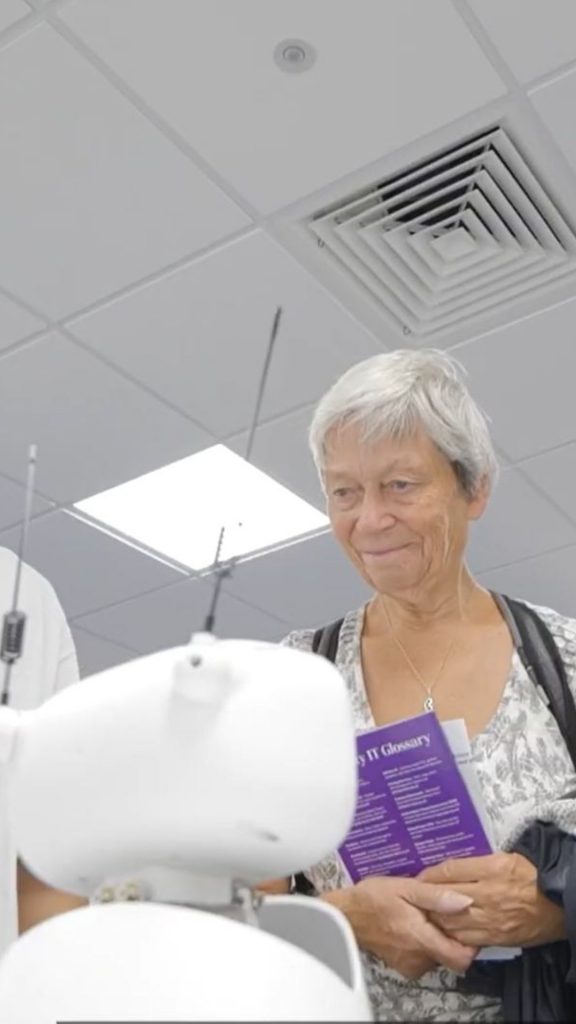
MINDS postgraduate researchers bring AI research to public audiences at the British Science Festival
A new film follows postgraduate researchers from the UKRI MINDS and SustAI Centres for Doctoral Training in Southampton. It shows them demonstrating conversational robots, a river with a voice, a memory game and a gesture-controlled DJ console to Festival visitors.
Sam Hilton-Jones takes his large language model research to ICML 2026 in Seoul
MINDS postgraduate researcher Sam Hilton-Jones presented his first conference poster at ICML 2026 in Seoul, and came home with ideas that are shaping his PhD.
Navigating magnetic robots for assisted robotic surgery
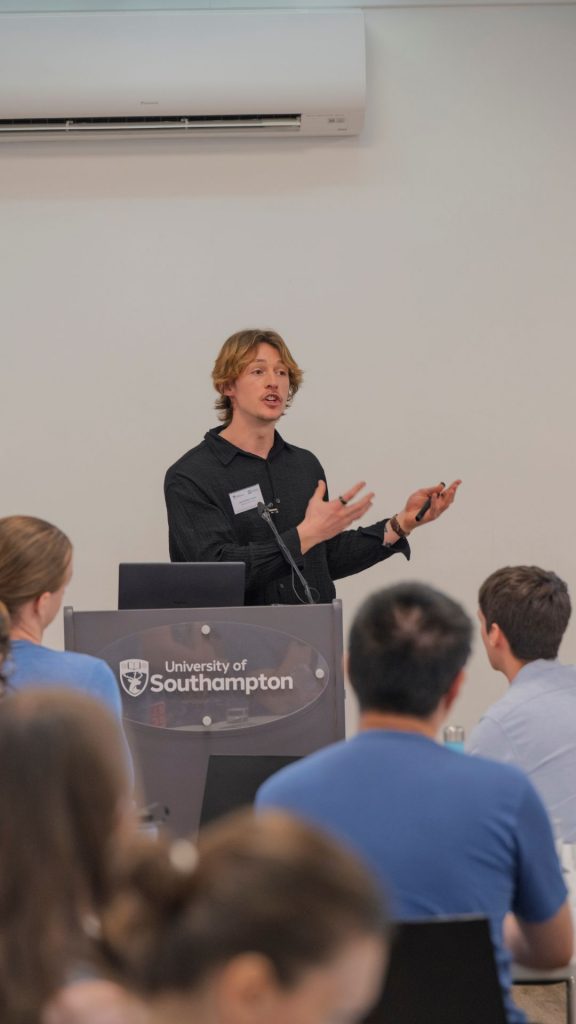
MINDS postgraduate researcher Jack Hilton-Jones presented his work on magnetic continuum robots for surgery at the 2026 Showcase, and found the alumni speakers invaluable.